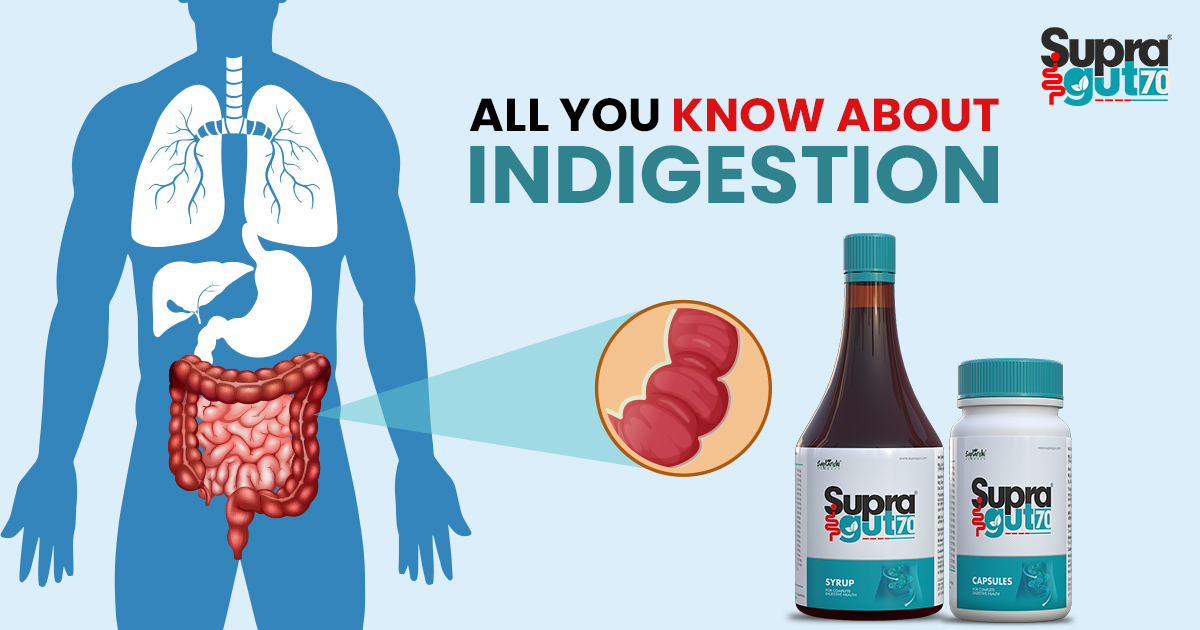
Medically known as dyspepsia and in ayurveda, Ajeerna, is a universal issue related to the digestive system. It accompanies several symptoms resulting from different causes. For prevention, relief, and treatment, it's necessary to diagnose the real concern by evaluating symptoms and the factors causing it. Let's get a clear picture of it in detail:
Symptoms of Indigestion
Various symptoms with varying intensity and duration show up when an individual has indigestion.
The common symptoms include:
- Abdominal pain with a burning sensation in the upper left abdomen.
- Diarrhea
- Nausea with or without vomiting
- Belching or excessive burping
- A burning sensation behind the sternum or heartburn
- Loss of appetite
- A feeling of fullness or bloating
Sometimes one may have more than one symptom at the same time. The symptoms can arise suddenly, intermittently, or persist for longer depending on the causes, disturbing daily life and overall health.
Causes of Indigestion
The causes of Ajeerna or indigestion may be numerous; extending from your everyday habits to inherent medical conditions and from the stress you endure to the daily dose of medicines that you swallow. Let's mark them one by one.
Consuming incompatible foods: In Ayurveda, it is called Viruddha Ahara. The foods that are incompatible with the season, region, quantity, dosha, potency, nature of the digestive tract, etc. when taken may cause indigestion.
Food Choices: Spicy, oily, and fatty foods. Alcohol, caffeinated, or carbonated beverages may be the cause of dyspepsia.
Overindulgence: Consuming large meals or devouring quickly may upset the digestive system.
Anxiety and Stress: Nervousness, anger, fear, and tension affect acid secretion in the stomach and set back digestion.
Smoking: Smoking causes an increase in stomach acid and affects the ability of the esophagus to keep that acid out.
Medication and Medical Conditions: GERD, peptic ulcer disease, celiac disease, and gallstones can cause indigestion. A few medicines such as painkillers that you pop regularly or the antibiotics you swallow for seasonal flu may also distress your stomach.
Prevent Indigestion
To liberate yourself from the distress of indigestion, you need to make a few changes like:
Lifestyle changes with dietary adjustments: Eat mini-meals. Instead of stuffing your tummy in one go, increase the frequency of meals.
Avoid triggers: Keep the triggering food in mind while eating and avoid it. Don't rush while eating, go slow, and chew well before you swallow.
Balanced diet: Eat healthy, well-cooked, warm foods. Include seasonal vegetables and fruits
Avoid lying down after eating: Stay upright after eating for some time. It prevents acid reflux.
Water: Dehydration may aggravate the indigestion symptoms. Water not only aids digestion but also keeps other organs hydrated.
Handle Stress Smartly: Do yoga. Meditate, breathe, and exhale your worries.
Exercise: Half an hour of exercise may activate your digestive system, preventing indigestion and related issues.
Smoking and Alcohol: Healthy habits make the gut happy. Stop using tobacco and avoid or reduce alcohol to improve digestive health.
Diagnosis of Indigestion
Diagnosis of the cause of indigestion requires medical history, physical examination, laboratory tests, imaging with x-ray, CT scan, or ultrasound, and endoscopy in some cases.
Relief and Treatment
Herbal Remedies: Ajwain, mint, cumin, fennel, peppermint, cinnamon, ginger, and lemon are common herbal remedies for indigestion. They are nature's gift to pacify the stomach, relieving stomach discomfort.
Ayurvedic Indigestion Treatment: Supra Gut 70 is an ayurvedic digestive medicine. It cleanses the GI tract from all toxins, restoring and rejuvenating the digestive tract. It helps in relieving gas, bloating, and acidity. It aids in alleviating chronic stomach ailments. It improves liver functioning and bolsters immunity.
Takeaway
Indigestion may be a common issue but can notably affect the quality of your life if you fail to manage it properly. We have described the symptoms, causes, prevention, diagnosis, relief, and treatment here to help you manage and alleviate the discomfort of indigestion. By keeping yourself well informed, it's easier to manage indigestion effectively and maintain a healthier and comfortable life.