God has made us too complicated inside out. The whole system including the digestive system is complex, and given that it is vulnerable to many diseases. For that, it becomes crucial to address these problems without delay. The digestive system plays a vital role in our general health. The digestive system is known as Agni in Ayurveda and includes digestion and metabolism. This blog throws light on the major diseases of the digestive system, their symptoms, their causes, and treatment options from an Ayurvedic perspective.
Major Diseases of the Digestive System
Amala Pitta or Acidity
This occurs when the component of gastric juice (hydrochloric acid) or excess of pitta returns to the esophageal tube often and irritates the esophagus. Also known as acid dyspepsia or hyperacidity. Similar to GERD, the symptoms include heartburn, nausea, chest burning sensation, and bitter belching.
Irritable Bowel Syndrome or Grahani
Linked to Vata and Pitta disparities, Grahani is a GI disorder characterized by changes in bowel habits and abdominal pain. The symptoms of IBS or Grahani are abdominal pain, bloating, diarrhea/constipation, and mucus in stool.
Diarrhea or Atisara
Atisara is indicated by recurrent loose stools that can be due to an imbalance of any of the three doshas. The symptoms are associated with abdominal cramps, weakness, and dehydration. Diarrhea is a digestive disease itself and also a symptom of a few other digestive problems.
Hemorrhoids or Arshas
Hemorrhoids are inflamed blood vessels in the rectal area, resulting from disturbed Vata and Pitta. It is painful, sometimes itchy around the anus, and bleeds during bowel movements in worse cases.
Constipation or Udavarta
Constipation is characterized by hard or irregular bowel movements. In Ayurveda, it is considered to be due to Vata imbalance. Abdominal pain, bloating, and feeling of incomplete emptying are the symptoms that accompany constipation or Udavarta.
Jaundice or Kamala
Jaundice is a liver disorder and is related to Pitta imbalance. The skin and eyes turn yellow due to a rise in bilirubin level. Fatigue, abdominal pain, and dark urine are the indications of Jaundice.
Parasitic infections or Krimi
This infection is related to parasitic infections in the gastrointestinal tract that may disrupt all the doshas. The signs of Krimi in the GI tract are diarrhea or constipation, abdominal pain, nausea, and fatigue.
Causes of the Diseases of the Digestive System
Mostly, the causes of GI problems are excessive intake of oily, spicy, low-fiber food, and bitter or sour foods.
As per Ayurveda, eating incompatible foods or Viruddha Ahara may lead to imbalances of doshas. "Viruddha Ahara" means the wrong combination of foods such as consuming milk and fish, citric fruits and dairy, honey and ghee, etc.
Mental stress, anxiety, and a sedentary lifestyle affect the digestive system adversely.
Consumption of contaminated food or water, poor hygiene, and intake of alcohol are the main causes of diarrhea, parasitic infections, and liver diseases.
Chronic constipation, dehydration, lack of physical exercise, and a sedentary lifestyle cause hemorrhoids.
Ayurvedic Treatment Options
Natural Remedies for Digestive Problems
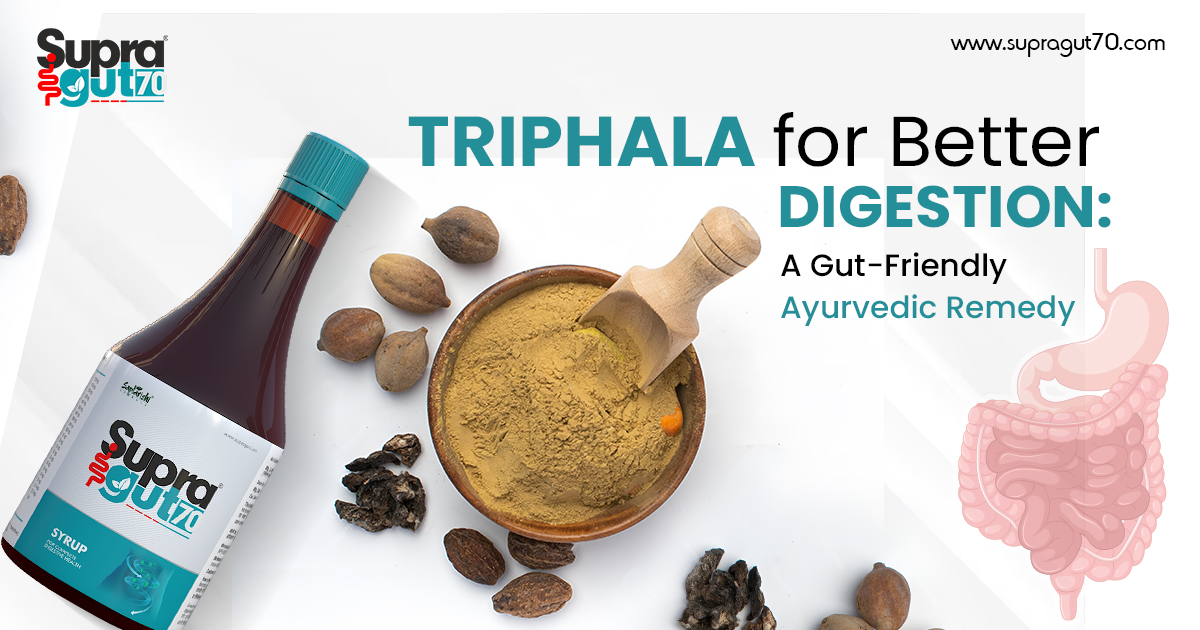
Natural remedies include using herbs like Shatavari, yashtimadhu, amalaki, pipali, guduchi, musta, kutaja, bilva, vidanga, Haritaki, and Triphala. These herbs have remedial properties to treat stomach problems.
Dietary Changes
- Make easily digestible, fresh, and warm foods part of your diet.
- Avoid incompatible foods (the combinations as explained above).
- Reduce spicy and oily foods and add cooling foods like cucumber and milk butter during summer for aggravated pitta.
- Have fruits and vegetables according to their season.
- Consume light, high-fiber, and easily digestible food at night.
- Include detoxifying foods like bitter gourd, turmeric, leafy vegetables, ginger, and cilantro in your diet.
- Avoid raw and uncooked foods, take anti-parasitic foods like garlic, ginger, and turmeric.
Lifestyle Changes
- Regular meals at regular intervals
- Stress management with meditation, breathing exercises like pranayama, and yoga
- Keep well hydrated
- Get a well-time and peaceful sleep
- Set up a regular bowel routine
- At least half an hour of physical activity and avoid long sitting
- Deworming in regular intervals
- Maintain better hygiene
Ayurvedic Digestive Medicine: Supra Gut 70 Syrup and Capsule
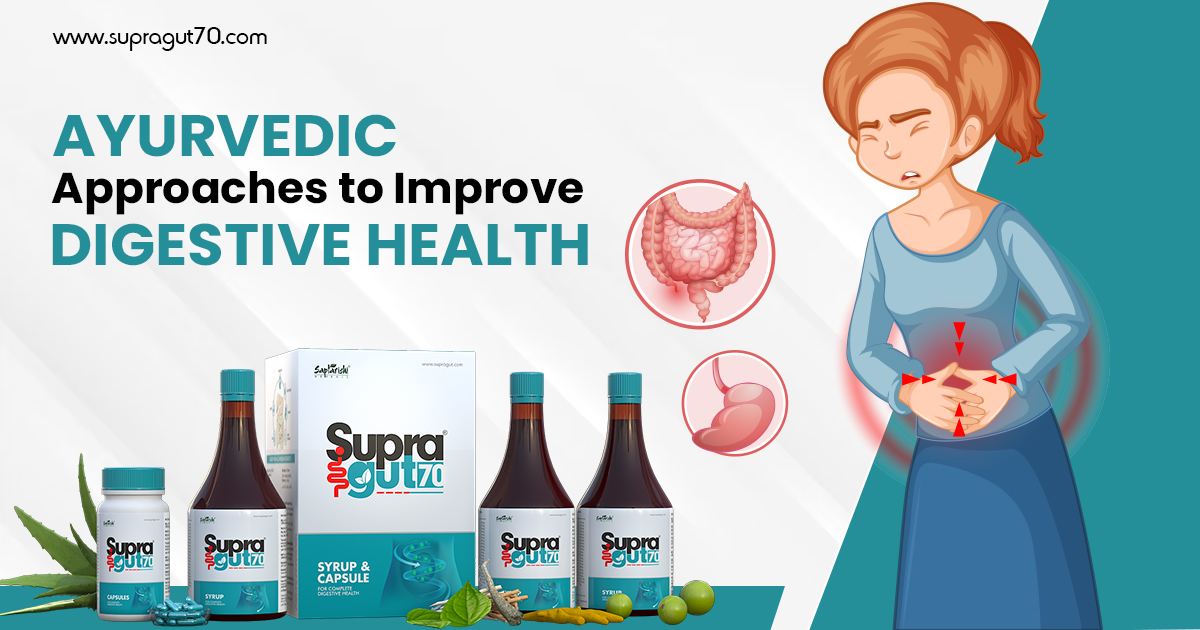
Effective on bloating, gas, constipation, and acidity, Supra Gut 70 is available in Capsule and syrup forms. It is the best constipation medicine for kids as it comes in syrup form, making it easier for them to consume. Ayurvedic medicine for constipation, Supra Gut 70, gives instant constipation relief and also works effectively on other digestive issues and stomach problems.
Conclusion
It is said that "Prevention is always better than cure," but it is not always possible. In such a context, Ayurveda comes to our rescue. It aims on reinstating and maintaining health and harmony in the body, supporting overall well-being.